If you have ever wondered what it feels like to live somewhere that seems woven into Los Angeles history, Hancock Park makes a strong case. This is a neighborhood where landmark views, mature trees, and grand early 20th-century homes are part of ordinary routines, not just special occasions. If you are curious about what daily life really looks like here, this guide will show you how Hancock Park balances preservation, culture, and convenience. Let’s dive in.
Hancock Park Feels Distinct
Hancock Park did not happen by accident. According to the City of Los Angeles preservation plan, G. Allan Hancock began planning the residential subdivision around 1915 with features that still shape the neighborhood today, including rear utility lines, minimum 50-foot setbacks, and concrete streets.
Those early planning choices help explain why the area feels so orderly and calm. The same preservation plan notes landscaped front yards, side driveways, mature trees, and a built form that is largely two-story single-family housing on spacious lots.
Historic Character Shapes Daily Life
In many Los Angeles neighborhoods, history shows up in a few standout buildings. In Hancock Park, history is the setting for the whole streetscape. The historic survey area documented 1,282 parcels, with about 86% identified as contributing resources, which gives the neighborhood a rare sense of visual consistency.
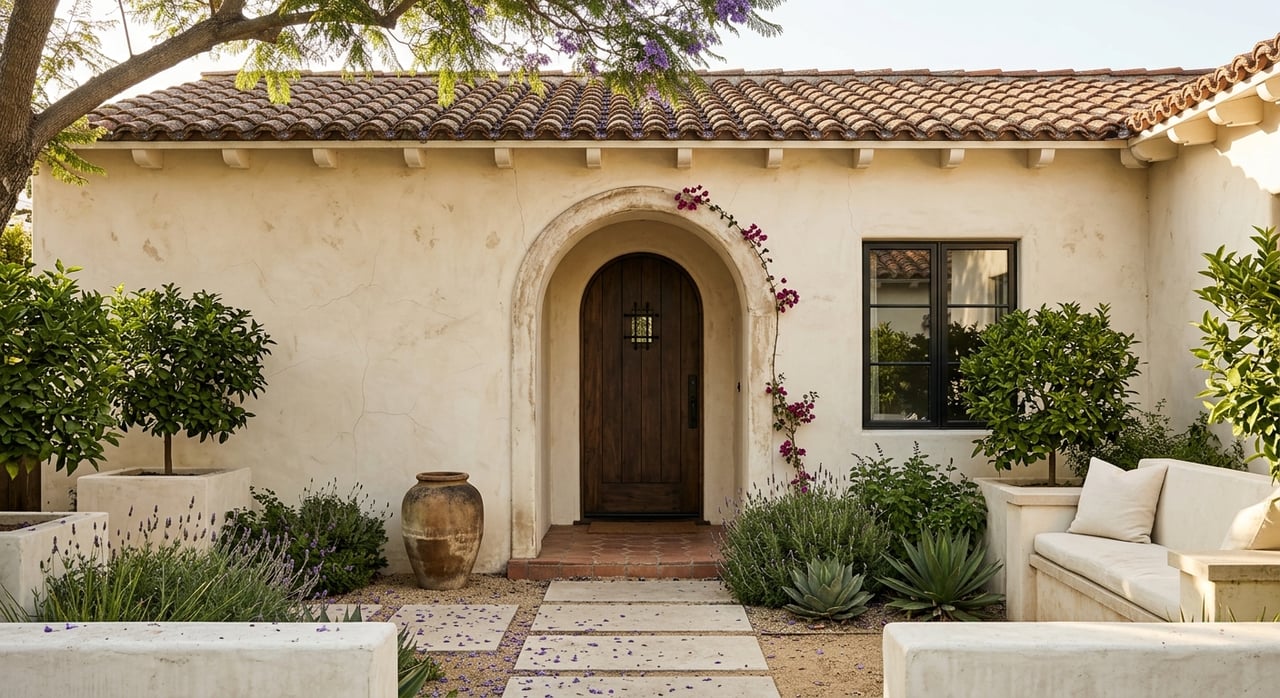
That consistency is one reason daily life here feels different. You are not just passing one preserved home on the way to errands. You are moving through block after block of Period Revival architecture, including Tudor Revival, Spanish Colonial Revival, Mediterranean Revival, Colonial Revival, and Monterey Revival homes.
The City of Los Angeles adopted the Hancock Park HPOZ in 2008. In practical terms, that means the neighborhood’s visible character is protected, which helps preserve the cohesive look and feel people notice right away.
Why Hancock Park Feels Quiet
One of the most common reactions to Hancock Park is how peaceful it feels, especially given how central it is. The preservation plan points to several reasons: deep setbacks, low-rise single-family streets, tree-lined parkways, and an interior layout that reads as calm and residential.
The street pattern matters too. Near Wilshire Country Club, the neighborhood includes a curving layout that breaks from Los Angeles’ typical grid, adding variety and a softer, more residential rhythm.
There is also a practical reason the interior blocks feel especially intact. The preservation plan notes that lots along major east-west streets like Melrose, Beverly, and 3rd developed later, while the inner residential streets held onto their quieter character.
Landmarks Are Part of the Backdrop
In Hancock Park, major landmarks do not feel far away from everyday life. They are part of the neighborhood’s visual and cultural backdrop, which gives the area a layered feeling that is hard to replicate.
The La Brea Tar Pits and Hancock Park site is a standout example. The museum describes it as the only actively excavated Ice Age fossil site in an urban location in the world, with more than 100 excavations since the early 1900s and more than one million bones recovered since 1906.
That sounds dramatic, but the setting is also surprisingly everyday. The museum describes the grounds as a place where people stroll, train, and picnic among the lake pit, paths, and excavation areas. In other words, this landmark is not separate from daily life. It is part of it.
Wilshire Adds a Cultural Edge
Hancock Park also sits beside one of Los Angeles’ best-known cultural corridors. On Wilshire Boulevard, you are next to LACMA at 5905 Wilshire Blvd., the Academy Museum at 6067 Wilshire Blvd., and the Petersen Automotive Museum at 6060 Wilshire Blvd.
This museum cluster adds another layer to the neighborhood experience. A quiet residential setting is only part of the story. You also have easy proximity to major arts and culture destinations that are directly tied to the area’s broader development story.
The LA Conservancy notes that Miracle Mile grew out of G. Allan Hancock’s subdivisions and became known for Art Deco and Deco Moderne architecture. That means the cultural corridor beside Hancock Park is not just nearby. It is historically connected to the same larger narrative.
Residential Landmarks Matter Too
When people think about landmarks, they often picture museums or public sites. In Hancock Park, some of the most defining landmarks are residential.
The LA Conservancy describes Park Mile, stretching from Wilton Place to La Brea Avenue, as including Windsor Square, Hancock Park, and Fremont Place, with mansions from the 1910s and 1920s that remained intact despite commercial expansion. That preserved residential presence shapes the neighborhood every day.
You see it in the scale of homes, the width of lots, and the continuity of the streetscape. Even a simple walk or drive through the area can feel architectural and memorable without ever entering a formal landmark site.
Everyday Errands Center Nearby
For all its history and architecture, Hancock Park is still a place where people need coffee, groceries, and a dependable routine. Much of that day-to-day activity centers around nearby commercial corridors rather than spreading through the interior neighborhood.
The clearest example is Larchmont Village. The Larchmont Boulevard Association describes it as a place for boutique shopping, one-of-a-kind stores, strong walkability, and cafe culture, with options that include coffee, pastries, ice cream, specialty sandwiches, and Italian food.
That gives Hancock Park an appealing balance. You can enjoy a preserved residential setting at home, then head a short distance for errands, meals, or a casual weekend stop.
The Farmers Market Adds Rhythm
A neighborhood often reveals itself through routine, and Hancock Park has a clear weekly one nearby. California’s current certified market list shows a farmers market at 209 N. Larchmont Blvd. on Wednesdays from 1:00 to 5:00 p.m. and Sundays from 10:00 a.m. to 2:00 p.m.
That kind of recurring schedule gives the area a village-like rhythm. Instead of every outing feeling like a production, there are simple, repeatable patterns built into the week.
For many buyers, that matters just as much as architecture. A beautiful neighborhood becomes more livable when it also supports familiar habits and easy neighborhood stops.
The Library Is Part of the Routine
Another everyday anchor is the John C. Fremont Branch Library at 6121 Melrose Avenue. The Los Angeles Public Library lists practical amenities including a parking lot, bike rack, public computers, Wi-Fi, and wireless printing.
It is also part of the area’s historic fabric. The branch history notes that the building is a Historic-Cultural Monument of the City of Los Angeles, which means even a simple library visit can feel connected to the neighborhood’s architectural story.
That is part of Hancock Park’s appeal. Ordinary stops do not feel disconnected from the setting. They reinforce it.
Central, But Still Residential
A big part of Hancock Park’s draw is contrast. You have a deeply preserved residential core, but you are still closely tied to central Los Angeles.
The nearby Larchmont neighborhood association describes the area as minutes from Downtown Los Angeles and within walking distance of major Hollywood studios. At the same time, the Wilshire corridor places Hancock Park beside a dense museum and arts district.
That combination is not always easy to find. Some neighborhoods offer convenience but little sense of place. Others offer charm but feel removed. Hancock Park stands out because it gives you both.
What Buyers Often Notice First
If you are exploring Hancock Park as a buyer, the first thing you may notice is not any single destination. It is the atmosphere.
The neighborhood feels settled, intentional, and visually coherent. The preserved homes, deep front setbacks, and mature landscaping create a sense of calm that reads clearly from the street.
Then the second layer comes into focus. You realize that coffee runs, farmers market visits, museum outings, and library stops are all part of the same geographic frame. That is what makes everyday life here feel especially distinctive.
Why Hancock Park Holds Attention
Some neighborhoods impress you on a first visit but feel less compelling once the novelty fades. Hancock Park tends to hold attention because its appeal is not built around one feature alone.
It combines architectural continuity, well-defined residential streets, cultural landmarks, and practical nearby amenities. The result is a neighborhood where Los Angeles history is not frozen in place. It stays active through ordinary daily life.
If you are considering a move in Hancock Park or looking for a home in a neighborhood with architectural presence and everyday ease, working with a team that understands how lifestyle and housing intersect can make all the difference. Connect with Jonnelle Gina Lewin to explore what makes this part of Los Angeles so enduring.
FAQs
What is everyday life like in Hancock Park?
- Everyday life in Hancock Park blends quiet residential streets, historic architecture, nearby Larchmont errands, farmers market visits, library stops, and easy access to the Tar Pits and Wilshire museums.
Why does Hancock Park feel so quiet compared with other central Los Angeles neighborhoods?
- Hancock Park feels quiet because of its deep setbacks, landscaped front yards, mature trees, low-rise single-family streets, and preservation rules that help maintain a calm, cohesive streetscape.
What landmarks are near Hancock Park in Los Angeles?
- Major nearby landmarks include the La Brea Tar Pits and Hancock Park site, LACMA, the Academy Museum, the Petersen Automotive Museum, and the historic residential areas connected to Park Mile.
Where do Hancock Park residents go for everyday errands and cafes?
- Many day-to-day errands and casual outings center on nearby Larchmont Village, which is known for walkability, boutique shopping, cafes, and the certified farmers market.
Is Hancock Park close to central Los Angeles destinations?
- Yes, Hancock Park is closely connected to central Los Angeles, with nearby access to the Wilshire museum corridor and an adjacent area described as minutes from Downtown Los Angeles.