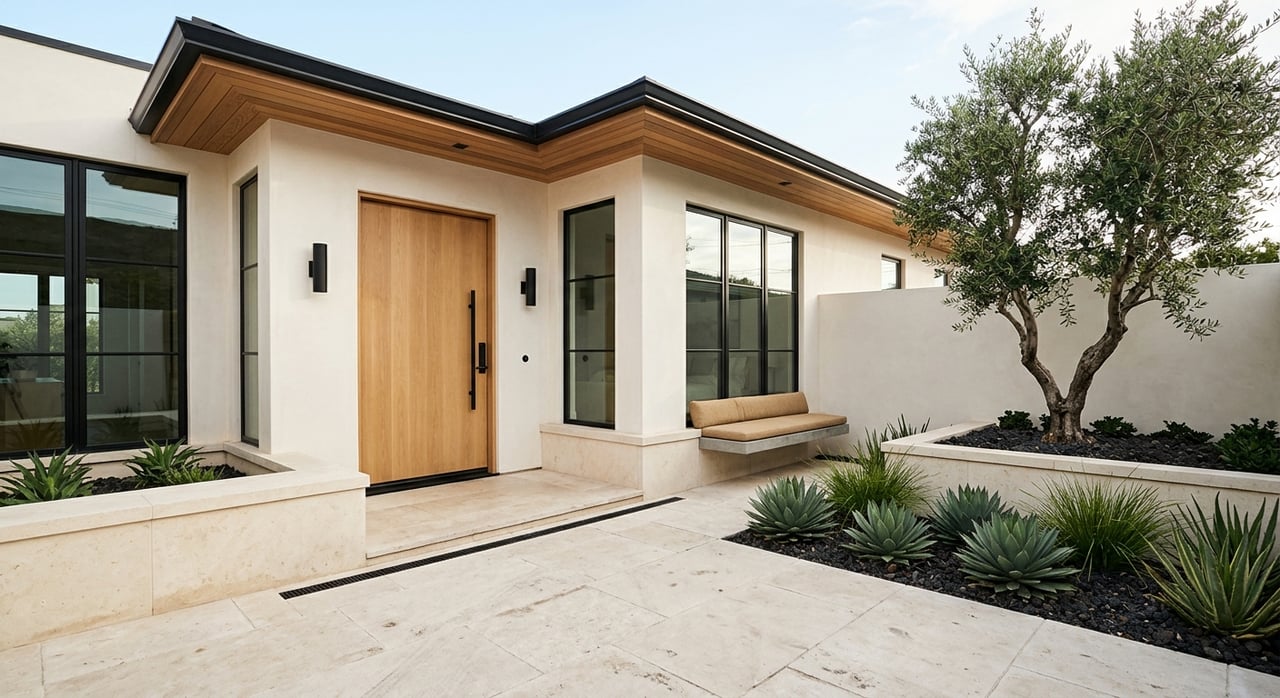
If you love houses with a point of view, Studio City is worth a closer look. This is not a neighborhood with just one signature style or one tidy design era. Instead, you will find a layered mix of bungalows, Spanish-influenced homes, Colonial Revival residences, postwar modern designs, ranch houses, and striking hillside properties that respond to the land in smart, visual ways. If you are drawn to architecture that feels both livable and memorable, Studio City offers a lot to study and appreciate. Let’s dive in.
Why Studio City Stands Out
Studio City’s architectural identity is shaped by both geography and growth over time. According to Los Angeles City Planning, the broader Sherman Oaks, Studio City, Toluca Lake, and Cahuenga Pass area is defined by topography and architectural character, especially in areas south of Ventura and Cahuenga Boulevard where hills, vistas, and mostly single-family neighborhoods create a varied residential setting.
That setting matters because it produces variety. In Studio City, older California bungalows and California Spanish style buildings still reflect earlier waves of development, while later postwar homes and custom hillside properties add a very different design language. For a design-minded buyer or seller, that means you are not looking at a one-note neighborhood. You are looking at a place where multiple architectural stories live side by side.
Studio City Is Layered, Not One-Style
One of the most useful ways to understand Studio City is to stop thinking of it as only a mid-century destination. Mid-century homes are part of the story, but they are not the whole story. City Planning’s community context supports a broader read: prewar Colonial Revival, bungalow-era and Spanish style homes, postwar modern design, Contemporary Ranch houses, and hillside custom modern homes all coexist here.
That mix gives the neighborhood depth. On one street, you may notice a home with traditional symmetry and historic character. Nearby, you might see a low-slung ranch house with broad windows and easy yard access, or a modern hillside home designed to meet the slope with precision. This architectural range is part of what makes Studio City appealing to people who care about design, not just square footage.
Colonial Revival and Early Character
Studio City’s entertainment history helped shape some of its early residential development. HistoricPlacesLA identifies the Agnes Avenue Residential Historic District as an early residential district tied to the entertainment industry in Studio City. It was first subdivided by the Central Motion Picture District, Inc., which was founded by Mack Sennett, Al Christie, and real estate partners in connection with a new studio and surrounding district.
Architecturally, the Agnes Avenue district is noted as an excellent example of American Colonial Revival design and dates to 1937 and 1938. For design lovers, that matters because it shows that Studio City’s identity includes formal, historically grounded architecture as well as later California casual styles. If you appreciate homes with provenance, proportion, and a strong sense of period, this layer of Studio City is an important part of the local design picture.
Bungalows and Spanish Style Still Matter
While major architectural headlines often focus on modern homes, Studio City’s older bungalow-era and Spanish style buildings remain important visual markers of the area’s earlier growth. City Planning specifically notes preserved early California bungalows and California Spanish style buildings within the community.
These homes often appeal to buyers who want warmth, texture, and a more intimate scale. They also add continuity to the neighborhood streetscape, reminding you that Studio City evolved over time rather than arriving fully formed in a single decade. For sellers, this older architectural fabric can be part of what gives a home character beyond finishes alone.
Mid-Century Modern in Studio City
For many design enthusiasts, Studio City’s strongest draw is its relationship to postwar modernism. Los Angeles City Planning’s modernism context describes Mid-Century Modern design as often expressed through post-and-beam construction, gently pitched roofs with wide eaves, expanses of glass, and economical materials. These were not just stylistic choices. They helped create homes that felt open, light-filled, and closely connected to the outdoors.
What makes Studio City especially interesting is how these ideas show up in different forms. Some homes carry a straightforward postwar modern vocabulary, while others become more custom and site-specific. The appeal is often in the precision: visible structure, clear material identity, and a layout that responds to light, views, and land rather than fighting them.
El Paradiso as a Local Reference Point
One of the strongest examples is El Paradiso, formerly known as the Grossman House. The Los Angeles Conservancy describes it as a 1964 Raphael Soriano design high in the hills above Studio City, built on a narrow lot around an aluminum structural system that gives the house a light and flexible quality.
The Conservancy also notes that it is the only surviving residence built entirely with Soriano’s aluminum system. That makes it more than just an attractive home. It becomes a local lesson in how advanced structure, material clarity, and hillside siting can work together to create architecture that feels both elegant and highly intentional.
Ranch and Contemporary Ranch Appeal
Not every architectural home in Studio City is severe or minimalist. Ranch and Contemporary Ranch homes bring a softer, more relaxed California feel to the mix. These homes often appeal to buyers who want design character with easy circulation, practical layouts, and a stronger relationship to patios, yards, and everyday living.
The Los Angeles Conservancy describes Contemporary Ranch houses as low-pitched in form, often with dramatic entrances, overhanging eaves, and exterior materials such as concrete block, board and batten, bead board, stucco, and natural stone. In Studio City, this language helps explain why certain homes feel so grounded and approachable while still being architecturally distinctive.
The Brady Bunch House and California Familiarity
Studio City’s best-known Contemporary Ranch example is the Brady Bunch House. The Conservancy says the home was completed in 1959, designed by Harry Londelius Jr., and used as the exterior of the television family home. It features a cross-and-side gabled roof, a welcoming porch, large windows that bring in natural light, and a yard and driveway composition that became strongly associated with California suburban living.
Its 2026 designation as a Los Angeles Historic-Cultural Monument adds a preservation angle to its popularity. For buyers and sellers alike, it is a reminder that design value in Studio City is often tied to cultural memory and architectural identity, not only size or price point.
Hillside Homes and Site-Driven Design
The hills are a major part of Studio City’s identity, and they shape architecture in visible ways. On flatter lots, homes may lean into ranch livability and straightforward indoor-outdoor use. On hillside lots, however, the design challenge changes. The architecture often becomes more about structure, views, privacy, and the technical response to steep terrain.
A clear example is the Bridge House Residential Historic District in the Cahuenga Pass hills. HistoricPlacesLA describes this district as six identical 1960 homes on narrow 25-by-100-foot lots. The houses sit on pier supports over descending slopes and use flat roofs, post-and-beam construction, and flush windows.
What makes that notable is the problem-solving. City Planning describes the district as a creative engineering response to difficult terrain. If you are drawn to hillside architecture, this is part of Studio City’s appeal: homes here often reveal how design and engineering work together to make challenging sites not just buildable, but visually compelling.
Indoor-Outdoor Living Is Built In
Studio City’s architecture also makes sense in climate terms. NOAA describes Los Angeles as having a moderate Mediterranean climate with dry summers, rainy winters, and relatively modest temperature transitions. That kind of climate helps explain why so many local homes emphasize patios, yards, large windows, and transitions between interior and exterior space.
For design lovers, this is one reason Studio City homes can feel so distinctly Southern Californian. The architecture often treats outdoor space as part of daily living rather than a separate zone. Whether you are looking at a ranch home with a yard, a modern house with expanses of glass, or a hillside property positioned for views, the best homes tend to use climate as part of the design logic.
Tujunga Village Adds Everyday Context
Architecture is not only about the house itself. It is also about how daily life connects to the surrounding environment. Studio City’s Tujunga Village helps add that human-scale context.
City Planning’s district report describes the Tujunga Village Commercial Historic District as a linear block of one-story storefronts built from 1937 to 1954, with large display windows, a pedestrian-oriented layout, mature street trees, and limited surface parking. That setting supports a neighborhood experience that feels local and walkable in character, which adds another layer to Studio City’s design appeal.
For buyers, that means architectural interest is not limited to private homes in isolation. There is also a sense of place in parts of the neighborhood that supports a more connected daily rhythm.
Why Provenance Matters Here
In Studio City, design value is often tied to story as much as style. HistoricPlacesLA points to the architectural integrity and entertainment-industry significance of the Agnes Avenue district. The Brady Bunch House received Historic-Cultural Monument designation in 2026. El Paradiso received a 2026 Los Angeles Conservancy Preservation Award for its restoration.
Taken together, those examples suggest something important for both buyers and sellers. In Studio City, a home’s importance may come from authorship, preservation, historical context, or the way it represents a specific design era. That does not replace practical concerns, but it does mean the market often notices qualities that go beyond finish selections and room count.
What Design-Conscious Buyers Should Notice
If you are exploring architectural homes in Studio City, it helps to look beyond the obvious visual appeal. Pay attention to how the house handles its site, light, and circulation. In this neighborhood, those details often reveal the difference between a home that is merely stylish and one that is truly well considered.
A few features are especially worth studying:
- On flatter lots: look for easy circulation, yard access, and a layout that supports everyday use.
- On hillside lots: notice how the structure responds to slope, where views are framed, and how privacy is created.
- In modernist homes: focus on light, structure, material clarity, and indoor-outdoor flow.
- In older homes: pay attention to period details, scale, and how the home fits into Studio City’s broader architectural fabric.
Why This Matters for Sellers Too
If you own an architectural or design-forward home in Studio City, your property often deserves more than generic marketing language. Buyers looking at this neighborhood may care deeply about design lineage, spatial quality, and the relationship between the home and its setting. Those qualities need to be presented clearly and thoughtfully.
That is where strong storytelling matters. A Colonial Revival home, a preserved Spanish-style property, a polished Contemporary Ranch, or a hillside modern residence each needs a different narrative. The right positioning can help buyers understand not just what a home has, but why it matters in the Studio City context.
If you are buying or selling a design-led home in Studio City, working with a team that understands architecture, presentation, and neighborhood nuance can make the process far more informed and far more strategic. For thoughtful guidance on architectural and lifestyle-driven homes in Los Angeles, connect with Jonnelle Gina Lewin.
FAQs
What architectural styles can you find in Studio City?
- Studio City includes a layered mix of prewar Colonial Revival, bungalow-era homes, California Spanish style buildings, postwar modern houses, Contemporary Ranch homes, and custom hillside modern properties.
What makes Mid-Century Modern homes in Studio City appealing?
- Many Mid-Century Modern homes in Studio City emphasize post-and-beam structure, wide eaves, expanses of glass, and strong indoor-outdoor flow, which gives them a light, site-responsive feel.
What is special about hillside homes in Studio City?
- Hillside homes in Studio City often stand out for the way they solve steep terrain through structural design, while also taking advantage of views, privacy, and natural light.
Why is the Brady Bunch House important to Studio City architecture?
- The Brady Bunch House is a notable Contemporary Ranch example in Studio City, designed by Harry Londelius Jr. in 1959 and designated a Los Angeles Historic-Cultural Monument in 2026.
How does Studio City’s climate influence home design?
- Los Angeles’ moderate Mediterranean climate helps explain why many Studio City homes emphasize patios, yards, large windows, and indoor-outdoor transitions.
Why does provenance matter when buying or selling a Studio City architectural home?
- In Studio City, a home’s value story may include architectural integrity, historical context, cultural significance, preservation status, or notable design authorship, not just size and finishes.